Lights, Camera, Impact: Measuring Brand Sponsorship in Streaming Content
How Purchased used a longitudinal test-and-control methodology to quantify brand and sales lift from a streaming platform holiday special sponsorship.
Introduction
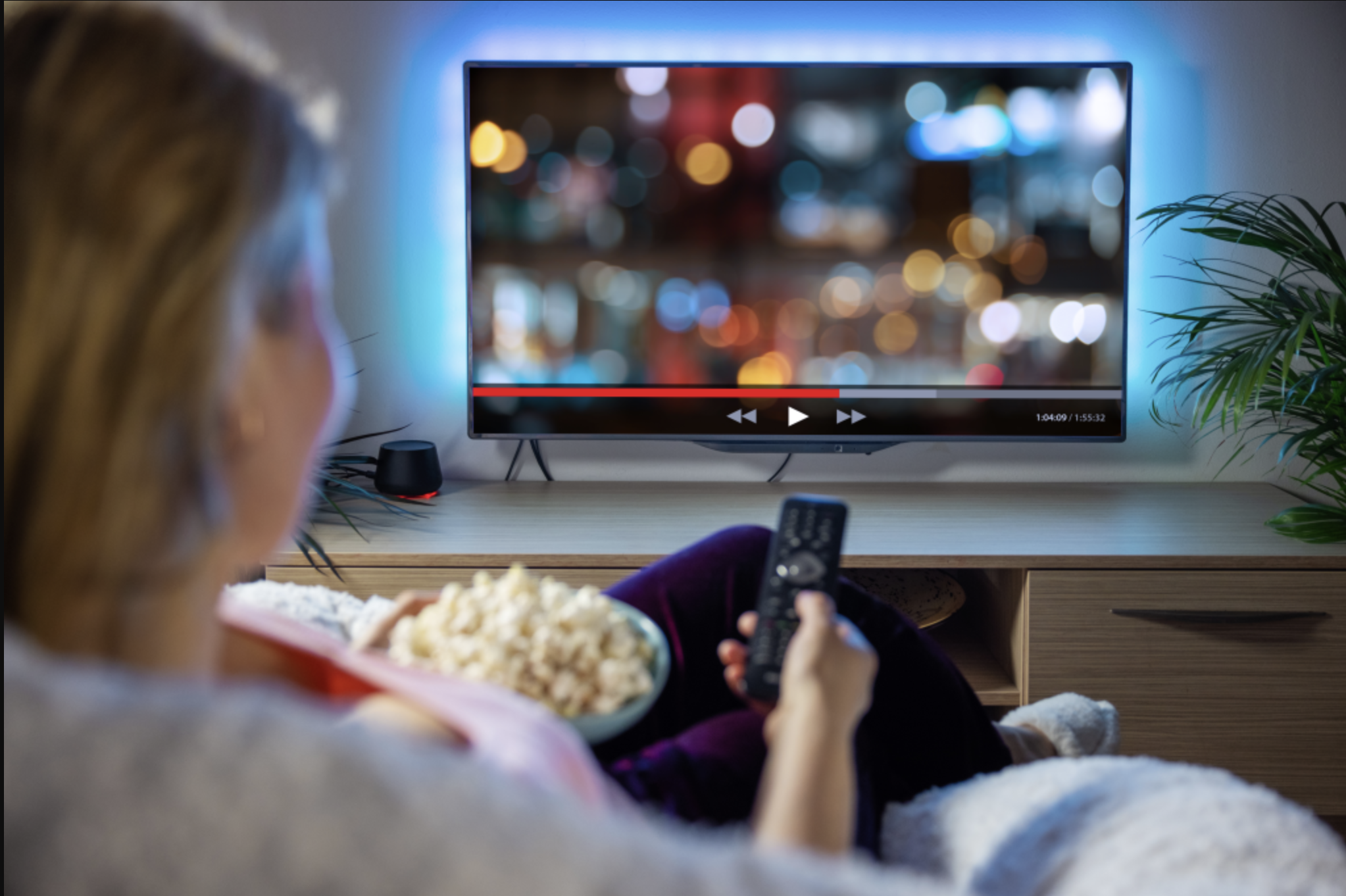
At Purchased, we believe the best way to evaluate media investments is by measuring what matters: actual shopper behavior. That's exactly what we did for a recent campaign where our client, a leading streaming platform, partnered with a personal care brand to sponsor a holiday special.
We set out to answer two critical questions:
- What was the brand impact of this seasonal sponsorship?
- Did it drive real-world sales?
Methodology: Longitudinal Test and Control
The holiday special aired for 4 weeks and featured sponsor branding as a preroll to the special. Our research used a "recruit-to-view" model: selected shoppers were invited to view the content and log their real-world personal care purchases over a 30-day period via our mobile Shopalong platform.
Participants were split into:
- A Test group, who were directed to view the special
- A Control group, who watched other top shows on the platform
Shoppers submitted receipts for any personal care product purchases (in-store or online) over the next 30 days.
The Results: Real Lift, Real Business Outcomes
Brand Awareness: Exposure to the special resulted in a 2.4x lift in unaided top-of-mind awareness for Sponsor. The effect was even stronger among younger shoppers aged 18–34.
Brand Consideration: Sponsor consideration jumped 13 percentage points, with a 2x lift in shoppers placing the brand as their top choice. Among Gen Z and Millennials, the headroom lift was especially pronounced (23% vs. 13%).
Sales Lift: This campaign wasn't just about perception. It drove real purchase behavior.
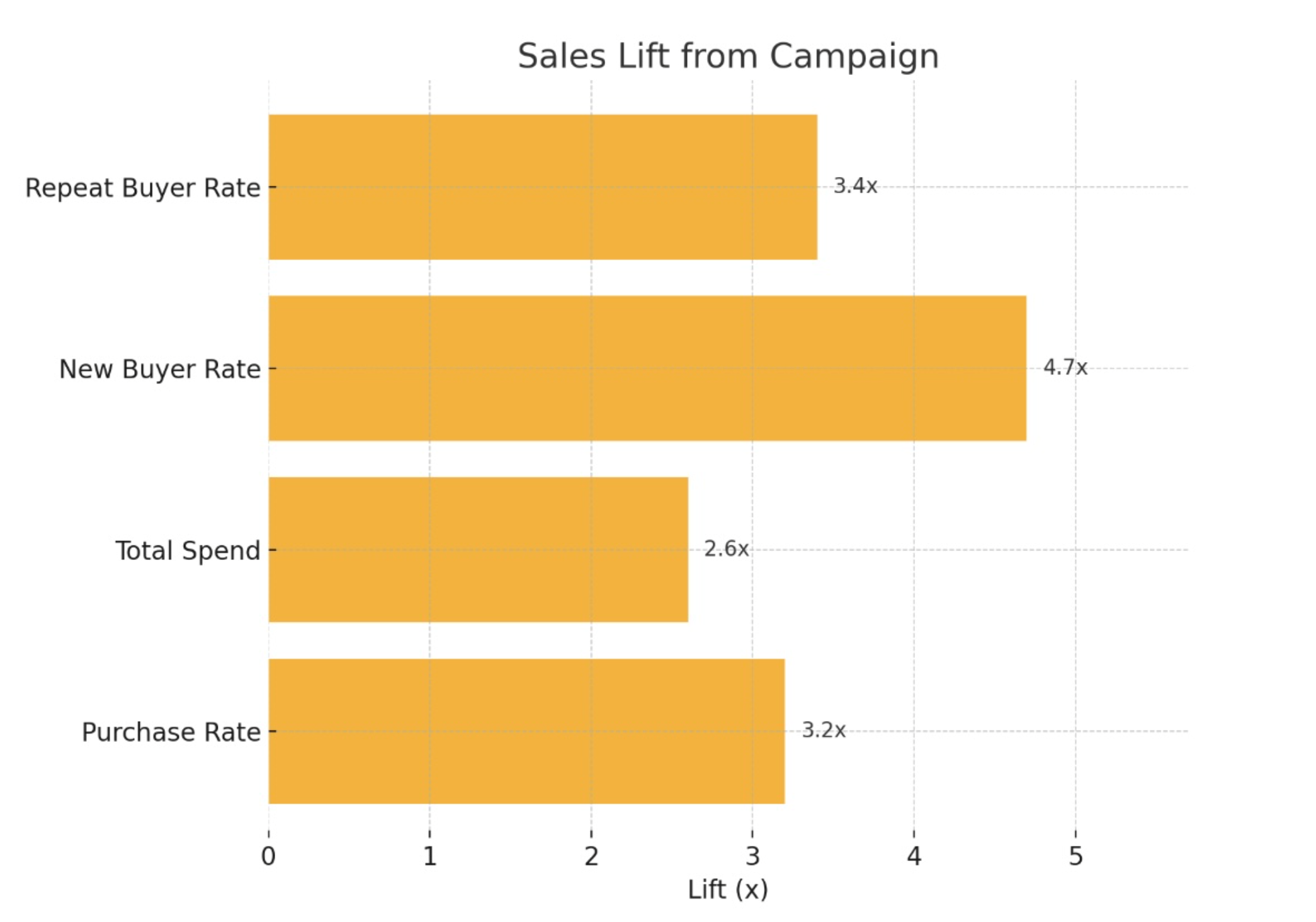
Notably, these lifts came from both new and returning customers — a sign that the sponsorship successfully strengthened brand loyalty while attracting fresh buyers.
Why It Worked
What made this methodology so effective in quantifying digital advertising impact on sales and brand metrics?
- Longitudinal test/control: The methodology is able to determine lifts based on advertising exposure by comparing the control (non-exposed) group to the test (exposed) group over time.
- Realistic environment: Test and control group behaviors are measured in a realistic environment that does not interfere with live campaigns.
- Validated purchase behavior: We validate purchase behavior and capture data from actual shopper online and in-store receipts.
Conclusion
The results were clear: strategic sponsorship in premium, highly engaging content can boost both brand perception and real-world sales. Through our measurement platform, Purchased delivered quantifiable ROI insights that helped our client and their sponsor understand and optimize their partnership.
More Case Studies
The AI Visibility Gap
Why established brands must stay visible above the fold in AI-generated results — and what happens when they don't. A controlled experiment with 604 participants reveals the true cost of displacement.
Learn More
Rethinking the Digital Pathway: Should CPG Brands Drive Traffic to Their Own Website or Retail Partners?
A meta-analysis of 16 CPG studies across six markets reveals that driving traffic to brand.com generates 44% more revenue per 100,000 shoppers than sending traffic to retailer.com — despite lower click-through rates.
Learn More
Why Your Digital Campaign Analysis is Probably Wrong
Learn how your company can measure the true impact of its digital ad spend by embracing an omnichannel approach that analyzes online and offline behaviors.
Learn More
The AI Accuracy Imperative for Brands
AI can sometimes generate misleading or inaccurate responses when queried about brands and products. Why this is a problem, and what you can do to protect your brand.
Learn More